
At a glance
What to know: Custom safety signs can communicate hazards, required protective equipment, restricted access, and operating rules. Your safety lead or qualified advisor approves the message, applicable standard, size, and placement; Valley Sign Guys makes the sign.
Key takeaways
- Start with the exact approved wording, signal word, icon, and language rather than asking a generic sign to determine compliance.
- Choose a substrate and attachment method for the cleaning routine, weather, chemicals, heat, surface, and expected use.
- Send final dimensions, quantity, viewing distance, placement photos, and any required standard or reference with the quote request.
Popular Uses
- Production and maintenance areas — machine hazards, lockout information, PPE, and equipment labels using site-approved content.
- Commercial buildings — access restrictions, housekeeping reminders, and facility rules placed at the decision point.
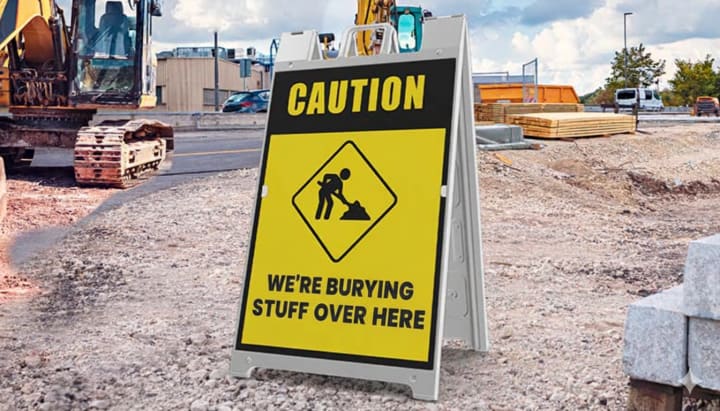
- Warehouses and job sites — temporary fence, coroplast, or A-frame notices that can move as conditions change.
Choose Your Sign Options
Sign details
- Material
- Aluminum, PVC, adhesive vinyl, or coroplast selected for the application
- Message inputs
- Approved signal words, hazard text, symbols, languages, and any required reference
- Format
- Square, rectangular, or custom-shaped where readability and mounting allow
- Placement inputs
- Customer-approved wall, door, equipment, fence, post, or portable-display schedule with specified attachment
- Finished order
- Printed panels, labels, inserts, or flexible signs plus only the holes, hardware, or other items listed in the written estimate
Available options
- Aluminum panels — A rigid option for posted signs where exposure, cleaning, and hardware have been reviewed.
- PVC panels — Lightweight rigid signs for interior or protected placements with appropriate support.
- A-frame inserts — Portable notices for temporary conditions, aisle changes, or work areas.
- Flexible signs — Larger temporary messages for fences or barriers when a rigid panel is not practical.
- Adhesive labels — Equipment, door, cabinet, and surface graphics matched to the substrate and cleaning routine.
Preparing files? Start with the artwork setup guide.
What We Need for Your Quote
Details to send
Final dimensions & specifications
- Supply customer- or qualified-advisor-approved final dimensions, quantity, material, sides, corners, cut shape, and hole or attachment pattern.
- Provide the approved placement schedule, viewing distance, lighting, surface or support, exposure, cleaning conditions, and expected duration.
- Identify every safety, workplace, regulatory, code, accessibility, and internal standard the responsible site representative has approved.
Artwork files
- Provide exact approved signal words, hazard text, instructions, symbols, languages, translations, colors, and reference numbers.
- Supply vector artwork when available and have the responsible site representative approve hierarchy, dimensions, symbols, copy, and placement.
- Our artwork layout confirms what will be printed; your safety adviser validates the hazards, wording, placement, and applicable legal, code, regulatory, and accessibility requirements.
Order preparation
For your installer
- The finished order includes the approved panels, labels, inserts, or flexible signs and the holes, hardware, or other finishing listed in the written estimate.
- You or your installer verifies field fit, substrate compatibility, mounting design, structural suitability, visibility, placement, and current requirements before application or installation.
Plan These Separately
- Hazard assessment, safety planning, legal advice, code or regulatory interpretation, accessibility review, and compliance certification.
- Site surveys, field measurements, placement decisions, mounting design, structural review, permits, application, installation labor, and installer scheduling.
- On-site consultation, troubleshooting, inspection, repair, replacement scheduling, or maintenance.
How We Make Your Sign
-
1) Provide approved content
Send exact copy, symbols, languages, quantity, dimensions, and the standard or internal requirement the site uses.
-
2) Supply approved dimensions + placement
Include final dimensions, viewing distance, lighting, indoor or outdoor exposure, wall or equipment surface, cleaning conditions, approved placement schedule, and attachment specification.
-
3) Review the sign layout
Check spelling, hierarchy, dimensions, colors, symbols, and hole or cut locations, then have your site safety lead approve it.
-
4) We print and prepare the signs
We print, cut, drill, finish, and label the approved signs as listed in the written estimate. Your installer handles final placement, application, and mounting.
Questions About This Sign
How is safety-sign compliance handled?
No generic custom sign is automatically compliant for every workplace. Applicable rules, signal words, content, size, placement, and maintenance depend on the hazard and site. We can format customer-approved requirements, but the customer or qualified safety advisor must validate the final sign and placement.
What materials do you offer for safety signs?
Potential substrates include aluminum, PVC, adhesive vinyl, and coroplast. The suitable choice depends on weather, chemicals, cleaning, surface type, mounting, expected duration, and whether the sign must move.
Can I add multilingual text to my safety signs?
Multilingual layouts can be prepared from final customer-supplied and approved translations. Provide the exact text, language order, required symbols, and enough panel area to keep every message readable.
What should I send for a safety-sign quote?
Send approved wording, dimensions, quantity, material preference, placement photos, viewing distance, surface or hardware details, exposure, languages, and any governing standard or internal specification.
Who approves the final safety message?
Your site safety lead or adviser should approve the hazard wording, symbols, languages, colors, dimensions, and placement. Our artwork layout confirms what will be printed but does not replace a compliance review.