
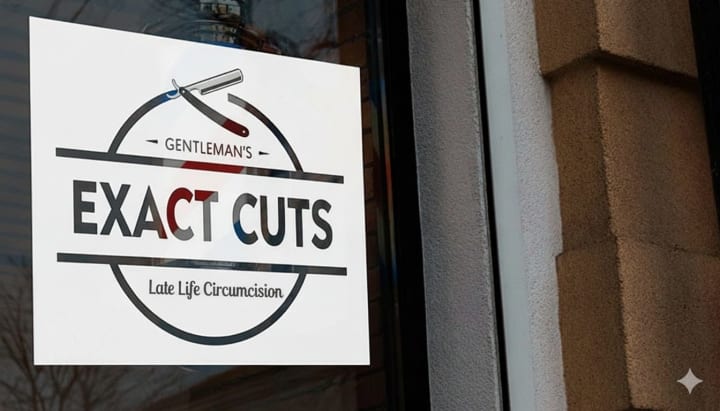
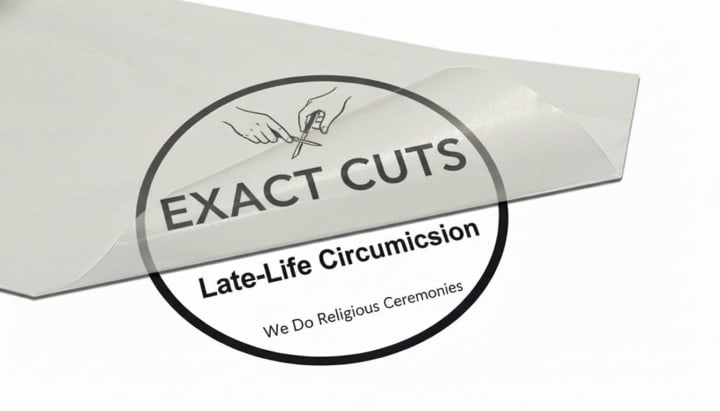
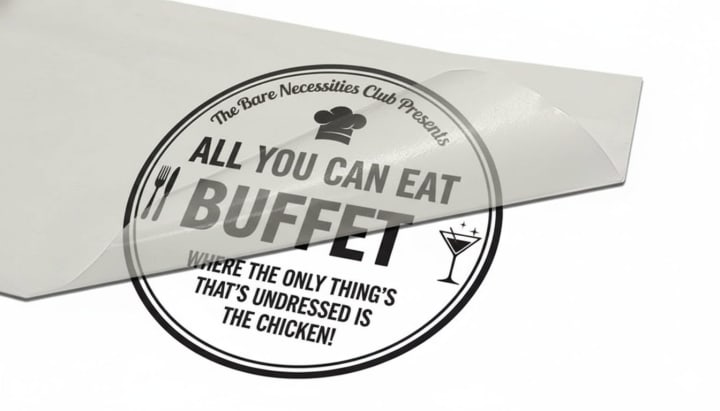
More about this sign Every Tiny Serif Becomes a Piece Someone Must Cut and Transfer

Cut vinyl is at its best when the idea is decisive: a door number, hours, a one-color logo, a vehicle identifier, or a line of wayfinding text. Every unnecessary flourish becomes another tiny piece that has to cut, weed, transfer, adhere, and survive cleaning.

The surface is half the specification. Smooth glass and sound painted metal are different from low-energy plastic, dusty textured paint, fresh coatings, damaged vehicle finishes, or anti-graffiti and easy-clean treatments. Customer-supplied photos and a material description help with production guidance, but you or your installer verifies final compatibility.

Exterior exposure adds another decision layer. Strong sun, high temperatures on dark glass or metal, dust, seasonal storms, and exterior cleaning affect film and color selection. Removal matters too: temporary does not mean residue-free on every substrate, and “permanent adhesive” does not mean permanent performance in every condition.

At a glance

What to know: Vinyl lettering is text, numbers, or simple artwork cut from solid-color adhesive film. The surrounding vinyl is weeded away and transfer tape preserves spacing for application to a compatible smooth surface; a printed background appears only when the approved design intentionally includes one.

Key takeaways

  • Use printed decals when the artwork needs photographs, gradients, many tightly registered colors, or detail too fine to cut and weed reliably.
  • Adhesion and removability depend on the exact film, substrate, coating, age, cleanliness, temperature, exposure, dwell time, and removal method.
  • For a sign quote, send final wording, vector artwork, customer-supplied finished dimensions, color, quantity, reference photos, surface or vehicle details, indoor or outdoor exposure, sectioning needs, and removal goal.

Choose your cut

Standard Cut Vinyl

Only the letters or logo remain after the surrounding film is weeded away. It suits hours, door numbers, simple logos, and other crisp solid-color graphics.

Reverse Cut (Negative Space)

The surrounding vinyl field stays while selected interior shapes are removed. It can create a badge or label effect, but the background shape and trapped detail still need cut-ready artwork.

Popular Uses

  • Storefront windows and doors for logos, hours, entrance cues, and suite numbers.
  • Compatible vehicle panels or glass for concise identification after finish, visibility, and applicable wording requirements are verified.
  • Smooth interior panels, sealed walls, and doors for room names, directional text, and simple marks.
  • Mirrors and glass partitions where contrast and viewing side have been tested.
  • Temporary event panels, cases, and counters using a film and removal plan compatible with the surface.

Choose Your Sign Options

Sign details

Product type
Cut vinyl lettering / numbers / logos
Material
Cuttable sign film selected for substrate, expected duration, conformability, exposure, color, and removal goal
Adhesive
Pressure-sensitive system matched to a compatible, properly prepared surface; tack and removability vary by film
Finish
Matte, gloss, or other currently available finish selected around glare, color, cleaning, and brand needs
Color
Solid stock colors; availability and acceptable color match confirmed before approval
Artwork
Vector cut paths with minimum detail, spacing, and stroke behavior reviewed at final size
Finished order
Weeded and transfer-masked in manageable sections based on finished dimensions and you or your installer’s application plan

Available options

  • Standard cut or reverse cut based on whether the surrounding vinyl field remains.
  • Lettering-only, logo-only, number sets, or simplified combined lockups.
  • Pre-spaced lines or application sections sized for the surface and installer’s reach.
  • Inside-glass orientation, first-surface placement, or vehicle application reviewed separately.
  • Printed decals instead of cut film when the design requires continuous-tone color or fine detail.

Preparing files? Start with the artwork setup guide.

What We Need for Your Quote

Details to send

Final dimensions & specifications

  • Customer-verified finished width and height, quantity, exact wording, viewing side, orientation, and application position for each distinct graphic.
  • Exact substrate, coating or finish, texture, paint or glass condition, indoor or outdoor exposure, cleaning routine, intended duration, and removal goal.

Artwork files

  • Clean vector AI, EPS, PDF, or SVG cut paths with fonts outlined, final line breaks, spacing, colors, and any standard or reverse-cut field clearly identified.
  • Minimum strokes, gaps, counters, sharp points, layered colors, weed borders, and registration needs are reviewed at the approved finished size.

Order preparation

For your installer

  • Lettering supplied weeded and transfer-masked in only the approved color, size, quantity, orientation, and standard or reverse-cut format listed in the quote.
  • Requested application sections, alignment marks, or surface-position labels can be reviewed before cutting; these details do not replace installer measurement or placement approval.

Packaging, grouping & labels

  • Request flat or rolled handling and grouping by door, window, vehicle, panel, line, or version before quoting; the written quote identifies the accepted packaging and supplied pieces.

Plan These Separately

  • Field measurement, site or surface inspection, adhesion or placement approval, permit or property coordination, access planning, surface preparation, application crews, and installation or removal labor.
  • You or your installer remains responsible for final dimensions, substrate compatibility, tests, sightlines or required markings, placement, application temperature and technique, care, and removal.

How We Make Your Sign

  1. 1) Define text + surface

    Send exact wording, vector logo art, customer-verified finished dimensions, color, quantity, viewing side, substrate or vehicle information, exposure, reference photos, and removal expectations.

  2. 2) Approve cut-ready artwork

    Review scale, line breaks, spacing, minimum strokes and gaps, weed borders, orientation, color, and any simplification needed for reliable cutting and transfer.

  3. 3) Confirm film and sections

    Review the available film for the customer-approved surface and use, then confirm transfer mask, application sections, registration marks, quantity, and section labels.

  4. 4) Cut + prepare the order

    The graphic is cut, weeded, transfer-masked, sectioned, and packaged only as listed in the quote. You or your installer handles final surface verification, placement, application, and care.

Questions About This Sign

What is vinyl lettering made from?

It is cut from solid-color adhesive sign film. Film family, adhesive, finish, and thickness vary, so selection should follow the substrate, exposure, duration, conformability, cleaning, color, and removal requirements.

Can you do gradients, shadows, or photo images with vinyl lettering?

A single layer of stock cut vinyl produces a solid color, not a photograph or continuous gradient. Layered colors may be possible for simple artwork, while printed decals are usually the more practical route for full-color images, shading, and fine detail.

What’s the difference between standard cut and reverse cut?

Standard cut leaves the letters or logo after the surrounding waste is removed. Reverse cut retains a background field while selected shapes are weeded out, creating negative-space lettering or a badge-like panel.

How do I install vinyl lettering?

The customer or installer applies the lettering. Follow the approved film and transfer-mask instructions for cleaning, temperature, registration, pressure, liner removal, edge treatment, and transfer-tape removal. Valley Sign Guys does not provide access or installation labor.

What file types work best?

Vector AI, EPS, PDF, or SVG artwork with clean paths is preferred. A PNG or JPG may need manual vector reconstruction, font identification, or simplification; feasibility and artwork scope depend on image quality and complexity.

Where does vinyl lettering work best?

It generally performs best on smooth, clean, sound, compatible surfaces such as glass or approved painted metal and panels. Texture, dust, wax, silicone, low-energy plastic, fresh or failing paint, coatings, moisture, and vehicle-finish conditions can reduce adhesion or complicate removal.