
Aluminum vs. PVC for Router-Cut Letters
Aluminum and expanded PVC can both produce crisp dimensional letters, but they fit different applications. Compare exposure, finish, mounting requirements, and upkeep before choosing.
Key takeaways
- Aluminum is usually the stronger starting point for permanent, fully exposed exterior letters, but the alloy, finish, edges, fasteners, and maintenance still matter.
- Expanded PVC is lightweight and useful for interiors, displays, and some sheltered exterior applications when the selected grade is approved for the conditions.
- Solar load, surface temperature, dust, irrigation, storm exposure, and UV vary by elevation, so each site should be evaluated from verified conditions.
- Material price is only one part of the decision; thickness, finish, a customer-approved mounting pattern, and downstream field requirements shape total project cost.
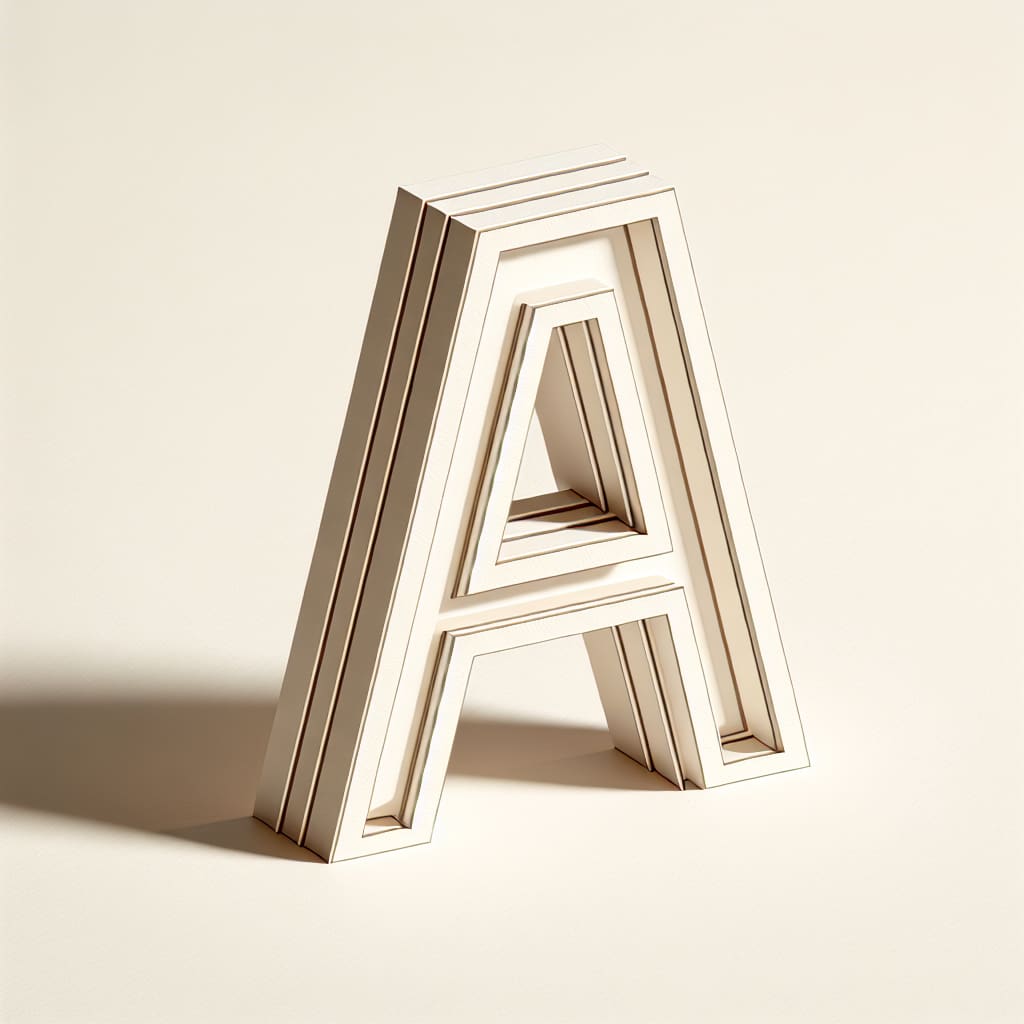
Choosing a material for router-cut dimensional letters is a production decision informed by customer- or installer-verified site conditions, not a metal-versus-plastic contest. A sheltered lobby logo, a shaded storefront under a deep canopy, and letters facing ocean air all place different demands on the substrate, finish, and attachment system.
Aluminum and expanded PVC—a material sold under brands including Sintra—can both be routed into clean shapes. Compare the documented exposure, intended service life, finish, customer-approved mounting requirements, and total project cost.
Why is aluminum a common exterior-letter substrate?
Aluminum does not form iron-oxide rust, holds its shape well, and supports several durable finish systems. That makes fabricated aluminum signage a useful starting point for long-term exterior identification, but a finished letter still needs the right alloy, coating, edge preparation, and hardware for its site.
Corrosion resistance should not be treated as immunity. Coating damage, water held in crevices, irrigation residue, and contact between dissimilar metals can still create trouble. A good exterior specification treats the letter face, routed edge, backs, spacers, studs, and wall interface as one system.
Aluminum advantages for exposed signs
- Corrosion resistance: A strong exterior base when alloy, finish, fasteners, and maintenance fit the exposure.
- Dimensional stability: Better suited than foamed sheet to many large, sun-exposed, long-term letter applications.
- Finish range: Painted, brushed, anodized, and powder-coated appearances may be possible depending on the fabrication plan.
- Mechanical attachment: Compatible with robust stud and spacer systems when the letter and wall are designed for them.
- Recoverable material: Aluminum has established recycling markets, though coatings, adhesives, and hardware can affect local acceptance.
When does PVC make sense for router-cut letters?
Expanded PVC sheet is lighter than aluminum and can be routed, painted, printed, or laminated for many display and identification jobs. The Signs.com comparison of PVC and foam board provides a useful category overview; for an exterior specification, use the technical data for the exact sheet product rather than a generic material label.
PVC can be a sensible choice indoors or in a sheltered location where low weight and economical depth matter. Outdoors, heat buildup, UV exposure, unsupported span, dark coatings, and attachment stress can affect performance. Not every expanded-PVC grade has the same exterior rating.
Expanded-PVC advantages for the right project
- Low weight: Useful where handling and load are important planning constraints.
- Efficient machining: Routes cleanly with the right tooling and fabrication settings.
- Built-in depth: Creates dimensional forms without fabricating a metal return.
- Finish flexibility: Compatible products can support paint, film, or direct print.
- Budget control: Often economical for interior, temporary, or protected letter packages, although finish and labor still drive the quote.
How can Phoenix-area exposure affect each material?
Unshaded elevations can create high surface temperatures and sustained UV, while dust, irrigation overspray, roof runoff, and seasonal storm exposure can stress edges, finishes, and attachments differently. The customer or installer should verify orientation, shade, wall conditions, and maintenance access rather than relying on a citywide material rule.
Aluminum performance by condition
- Dust and intermittent water: Often a strong choice when coatings, cut edges, fasteners, cleanability, and dissimilar-metal contact are addressed.
- Irrigation and storms: Aluminum does not absorb water, but water traps and penetrations still need careful detailing.
- Inland heat and UV: The metal remains stable, while color and gloss retention depend on the finish system.
- Cleaning: Smooth, compatible finishes can make contaminant removal easier; use the coating maker’s approved method.
PVC performance by condition
- Dust and intermittent water: The plastic itself does not rust, but coatings, adhesives, and mounting hardware remain exposure-sensitive.
- Irrigation and storms: Exterior-rated sheet can tolerate moisture within its rating, but routed edges and attachment details still need the specified finish.
- Inland heat and UV: Check the exact product’s temperature, color, and outdoor-use limits, especially on dark or west-facing facades.
- Movement and span: Thickness, letter geometry, support spacing, and mounting method affect flatness over time.
What about cost and long-term value?
Aluminum often costs more to purchase and finish than expanded PVC, but a universal multiplier would be misleading. Letter size, sheet thickness, routing time, edge finishing, paint system, hardware, access, wall repairs, and installation labor all change the comparison.
Consider the full cost picture:
- Aluminum: Usually a higher material and finish investment, with a strong case for permanent exposed work.
- Expanded PVC: Often a lower-cost substrate for protected work, with site exposure and future replacement included in the decision.
For PVC signs inside a lobby or beneath substantial shelter, the lighter material may be an efficient fit. For long-term dimensional signage exposed to weather, aluminum is often worth comparing on expected replacement and maintenance—not purchase price alone.
What details does your installer need?
Mounting affects both cost and durability, but it is a separate field scope. Valley Sign Guys produces from approved dimensions and specifications; the customer and qualified installer own final measurements, wall verification, mounting design, structural suitability, access, permits, code compliance, and installation.
Aluminum mounting considerations
- Can support studs, spacers, rails, or other hardware selected for the letter and wall.
- Requires compatible fasteners and isolation where dissimilar metals could promote corrosion.
- The customer or installer must define the approved hole pattern, wall interface, penetrations, and any field access constraints before production.
- Use the guide for preparing signs for your installer to organize the information supplied to the shop.
PVC mounting considerations
- Lower weight can simplify handling, but it does not replace a suitable attachment design.
- Adhesive and mechanical options depend on sheet thickness, letter size, wall finish, and exposure.
- Customer-approved fastener spacing and clamping details should avoid distorting or crushing the foamed sheet.
- The qualified installer must account for wind, heat movement, water, wall conditions, and the product maker's limits.
Environmental impact: What should you compare?
Neither substrate is impact-free. Compare the amount of material, expected service life, finish and adhesive system, repairability, offcut plan, and realistic local end-of-life pathway.
Aluminum has established recycling value, but a recycler may handle painted pieces, bonded laminates, and mixed hardware differently. Ask the fabricator how offcuts are separated and confirm what a local facility accepts.
Expanded PVC is lightweight and can reduce material load, but recycling access is more limited and depends on the exact product and facility. Using the right material the first time—and avoiding premature replacement—is usually more meaningful than a broad “green” label.
Making the right choice for your project
Use a project brief built from conditions verified by the customer and qualified installer:
- Exposure: Record sun orientation, shelter, salt or irrigation contact, runoff, and physical reach.
- Service expectation: Decide whether the letters are permanent identification, a shorter campaign, or an interior feature.
- Wall and access: Have the installer confirm substrate, penetrations, equipment access, and landlord criteria before finalizing thickness and any production hole pattern.
- Finish: Specify color, sheen, edge appearance, cleanability, and coating compatibility.
- Approvals: The customer and its qualified professionals must verify property criteria and applicable jurisdiction requirements before fabrication.
For router-cut letters, review dimensional signage, then request a sign quote with your artwork, final dimensions, intended exposure, finish, and installer-approved mounting specifications. Valley Sign Guys does not perform site surveys or installation; field verification and all mounting, structural, electrical, permitting, code, access, and installation decisions remain with the customer and qualified professionals.
FAQ
How long do aluminum router-cut letters last outdoors?
There is no responsible fixed lifespan without a site and finish specification. Alloy, thickness, coating system, edge treatment, fasteners, orientation, salt exposure, cleaning, and physical damage all affect service life. Aluminum is generally a strong long-term exterior substrate when the complete system is specified well.
Is expanded PVC suitable for outdoor signs?
Some expanded-PVC products are rated for exterior use, but grade, thickness, color, heat exposure, span, finish, and mounting all matter. It is often best suited to sheltered or shorter-service applications; verify the sheet manufacturer’s limits before specifying it outdoors.
Which material is easier to install—aluminum or PVC letters?
Expanded PVC is lighter to handle, but easy handling does not make every installation simple. The customer and qualified installer must verify letter size, wall construction, wind exposure, access, landlord criteria, and the attachment design for either material.
Can both aluminum and PVC letters be painted or finished?
Yes, with substrate-compatible preparation and products. Aluminum can support painted, anodized, or powder-coated looks depending on fabrication, while expanded PVC may be painted, printed, or faced with film when the product maker approves the system. Test adhesion and confirm compatibility first.