
Metal Sign Paints for Heat, UV & Dust: Epoxy, Polyurethane or Acrylic?
A Phoenix address does not determine one coating. Compare solar load, surface temperature, dust and water exposure, substrate compatibility, application controls, and maintenance before specifying the system.
Key takeaways
- A durable metal finish is a complete system: substrate preparation, compatible primer and topcoat, edge coverage, fastener details, and controlled cure all matter.
- Epoxy is commonly used for barrier protection, while an exterior polyurethane topcoat can add UV and color retention when the products are approved together.
- Steel, galvanized metal, and aluminum require different preparation and primer choices; a generic “metal paint” instruction is not enough.
- Exterior acrylic can suit lower-exposure applications, but the exact product rating, site conditions, and maintenance plan should drive the decision.
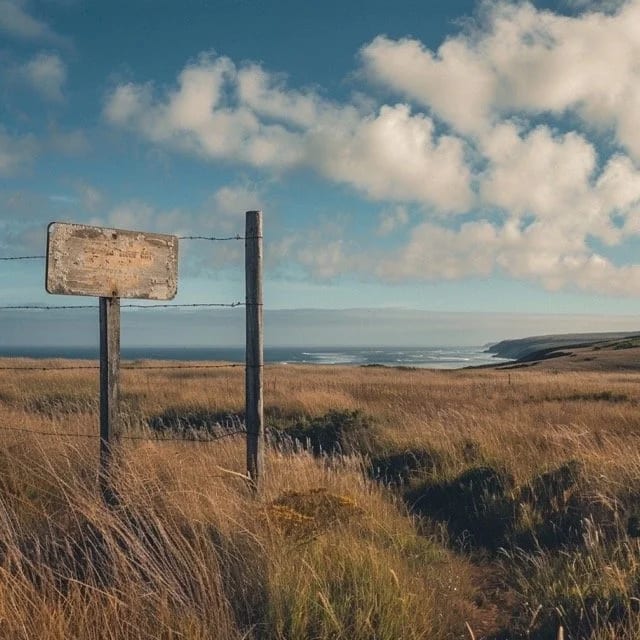
The hero photograph shows a weathered metal sign in a coastal setting. It illustrates one pattern of finish deterioration; the guidance below focuses on coating decisions for Phoenix-area exposure.
Phoenix-area metal signs can face intense sun, high surface temperatures, airborne dust, irrigation or cleaning water, and wind-driven debris during seasonal storms. Those inputs vary by elevation and must be verified, but each can expose weak preparation, damaged edges, incompatible primers, or poorly detailed fasteners. Even aluminum signs can lose finish performance when the complete system does not match the documented exposure.
This guide compares epoxy, polyurethane, and acrylic coating families for exterior metal signage, with an emphasis on hot, sun-loaded faces. It is a planning framework, not a universal paint specification: the substrate, existing coating, verified exposure, application setting, and product manufacturer’s written instructions determine the final system.
Valley Sign Guys applies coating decisions to shop-produced metal signs and components. Existing-condition surveys, field coating or refinishing, access planning, maintenance, and installation are separate responsibilities handled by the customer and qualified professionals.
Why Phoenix-area exposure can be hard on metal finishes
Heat, UV, dust, and intermittent water act on different parts of the system. Sun can change color and gloss and raise substrate temperature; dust can become abrasive during cleaning; irrigation or storm water can reach scratches, cut edges, joints, and dissimilar-metal connections. The likely failure and correct treatment depend on the metal, finish, geometry, and actual elevation.
Three site inputs deserve explicit review:
- Solar load: Orientation, shade, color, and nearby reflective surfaces can change face and enclosure temperatures.
- Dust and cleaning: Accumulated particles and the methods used to remove them can abrade or stain a finish.
- Water and storm exposure: Irrigation, washing, roof runoff, and wind-driven rain can reach coating breaks or remain in poorly drained details.
Comparing coating types for exposed metal signs
These coating families do different jobs, and products within each family are not interchangeable. Confirm that the primer and topcoat are approved for the substrate and for one another, then follow the published film thickness, recoat window, cure conditions, and application method.
Epoxy coatings: barrier protection
What it is: Many industrial epoxies are two-component coatings that chemically cure into a dense, adherent film. This marine-coating overview discusses epoxy as part of a corrosion-control system. Product selection still needs to follow the metal, exposure, and manufacturer’s data.
Where it can help:
- Strong adhesion when the specified surface profile and cleanliness are achieved
- Dense barrier layer that helps separate the metal from water and contaminants
- Useful resistance to abrasion and some chemicals, depending on formulation
- Compatibility with many multi-coat corrosion-control systems
Practical considerations:
- Mix ratio, induction time, pot life, film thickness, and recoat window are product-specific
- Application and cleanup require the ventilation, protective equipment, and disposal controls in the label and safety data sheet
- Some epoxies chalk or lose appearance in direct UV
- An approved exterior topcoat is commonly needed where color and gloss retention matter
Think in compatible layers, not isolated products: an epoxy primer or intermediate coat may supply barrier protection, while an approved UV-stable topcoat carries the visible color and sheen.
Polyurethane coatings: UV and finish performance
What it is: Polyurethane is a broad family of one- and two-component finishes often selected for exterior color, gloss retention, and abrasion resistance. This commercial coating overview discusses epoxy selection in salt-air environments; whether a polyurethane topcoat is compatible must come from the coating manufacturer’s current system data.
Where it can help:
- Many exterior formulations provide good UV, color, and gloss retention
- Useful abrasion and chemical resistance when matched to the exposure
- A range of sheen and color options for the visible finish
- Common use as a compatible topcoat over a corrosion-control primer system
Practical considerations:
- Application method depends on the exact product; not every formula is suitable for brush, roller, or field spray
- Two-component products can present serious respiratory and skin hazards, including isocyanate exposure, and require the controls specified by the manufacturer
- The topcoat must be chemically compatible with the primer and applied inside the permitted recoat window
Polyurethane can be a strong exterior finish coat, but the word alone is not a specification. Resin type, solids, application controls, color, film build, and primer compatibility all affect performance.
Acrylic coatings: practical lower-exposure options
What it is: Exterior acrylic coatings include waterborne and solvent-borne products with different primers, adhesion, and performance limits. Many waterborne options have lower odor and VOC content than some solvent-borne systems, but the product label—not the category name—provides the actual values and precautions.
Where it can help:
- Good UV performance from products specifically formulated and rated for exterior metal
- Waterborne options can offer lower odor and simpler cleanup when the label permits
- Useful color and sheen range for protected or moderate-exposure signs
- Potentially shorter recoat windows than some multi-component systems, depending on conditions
Practical considerations:
- Not every acrylic is approved for direct-to-metal use, high surface temperatures, or demanding exterior exposure
- Primer, dry-film thickness, and cure conditions remain critical
- Inspection and maintenance frequency should follow site exposure and observed wear, not a fixed calendar promise
An exterior acrylic may fit a sheltered or lower-exposure sign, but intense solar load, repeated wetting, abrasion, or a difficult maintenance location can justify evaluating a more robust multi-coat system.
Surface preparation: the foundation of the system
A good coating cannot rescue incompatible or incomplete preparation. Steel, galvanized sheet, and aluminum develop different surface conditions, so the exact procedure should come from the selected coating system. A typical planning sequence is:
- Identify the substrate and old coating: Confirm whether the sign is bare aluminum, steel, galvanized metal, or a previously coated surface, and test uncertain layers before overcoating.
- Remove contamination: Clean dust, oil, salts, dirt, and residue with methods approved for the substrate and coating; allow the surface to dry as specified.
- Treat corrosion and create the required profile: Use the standard and abrasive named for the system, without embedding incompatible metal or damaging thin sign faces.
- Prime the actual metal: Use a primer approved for that substrate and exposure; a steel rust-inhibiting primer is not automatically correct for aluminum or galvanized sheet.
- Build and cure the system: Meet published film thickness, edge coverage, flash time, recoat window, temperature, humidity, and cure requirements.
We finish signs in the shop; the customer or a qualified third party handles installation. Use the guide for preparing signs for your installer to coordinate cure and handling requirements with approved penetrations and touch-up responsibilities. Final dimensions, field conditions, mounting, structural and electrical decisions, permits, code compliance, access, and installation remain with the customer and qualified professionals.
Maintenance planning for exposed metal signs
Even well-coated signs benefit from periodic attention:
- Clean by condition: Remove dust and other deposits with the coating maker’s approved cleaner, water quality, tools, and pressure. Frequency depends on measured buildup, orientation, and exposure rather than a fixed calendar.
- Inspect vulnerable details: Look at cut edges, seams, backs, fasteners, scratches, and places where water collects.
- Repair compatible layers: Do not coat over active corrosion or unknown paint. Follow the original system’s repair procedure or have the finish evaluated.
- Document the system: Record substrate, preparation, product names, colors, batch information, film requirements, and application date for future maintenance.
A safe cleaning plan also considers height, electrical components, public access, runoff, and the equipment needed to reach the sign. Those site conditions can make routine-looking maintenance a professional access job.
Which coating system should you evaluate?
Use this table as a conversation starter, then have the coating supplier or qualified fabricator confirm a written system for the actual substrate and exposure:
| Environment | Recommended System | Why |
|---|---|---|
| Intense sun and high surface temperature | Engineered multi-coat corrosion-control system | Needs substrate-specific preparation, verified temperature limits, and a UV-stable visible finish |
| Dusty or intermittently wet exterior | Compatible primer plus exterior topcoat | Edges, hardware, cleanability, water paths, and UV still need coordinated protection |
| Shaded exterior | Substrate-rated, UV-stable exterior system | Shade can lower solar load, but it does not eliminate weather, cleaning, or adhesion requirements |
| Interior or deeply protected | Compatible acrylic or other approved finish | Lower weather exposure may allow a simpler system when adhesion and cleanability are verified |
Plan the finish around the site
A useful finish specification starts with the metal, existing condition, orientation, expected surface temperature, UV, dust and water exposure, desired appearance, application controls, and access for future cleaning. A product family can narrow the options, but the compatible system and preparation details do the protective work.
For a new custom aluminum sign, request a sign quote with your artwork, final dimensions, substrate and finish requirements, and exposure information verified by the customer or installer. Valley Sign Guys can recommend in-shop options from those details, but does not inspect, refinish, repair, maintain, or install signs in the field.