
Choosing Screws and Anchors for Bronze Plaque Mounting
Plaque hardware is a system: fastener, anchor, spacer, wall, and exposure. Select it from the plaque drawings and field conditions, not from a generic screw chart.
Key takeaways
- The plaque weight, mounting-hole design, substrate, edge distances, and consequences of failure determine the hardware—not appearance alone.
- Silicon bronze and specified stainless steel are common candidates, but alloy, diameter, head style, anchor, and embedment still need review.
- Irrigation, wall washing, storm water, trapped moisture, mineral deposits, and incompatible metals can all raise corrosion risk at Phoenix-area sites.
- Brick, stone, concrete, wood, and metal each require a substrate-specific attachment plan and verified anchor data.
- Heavy, elevated, historic, cracked, or uncertain installations call for qualified field review rather than universal DIY instructions.
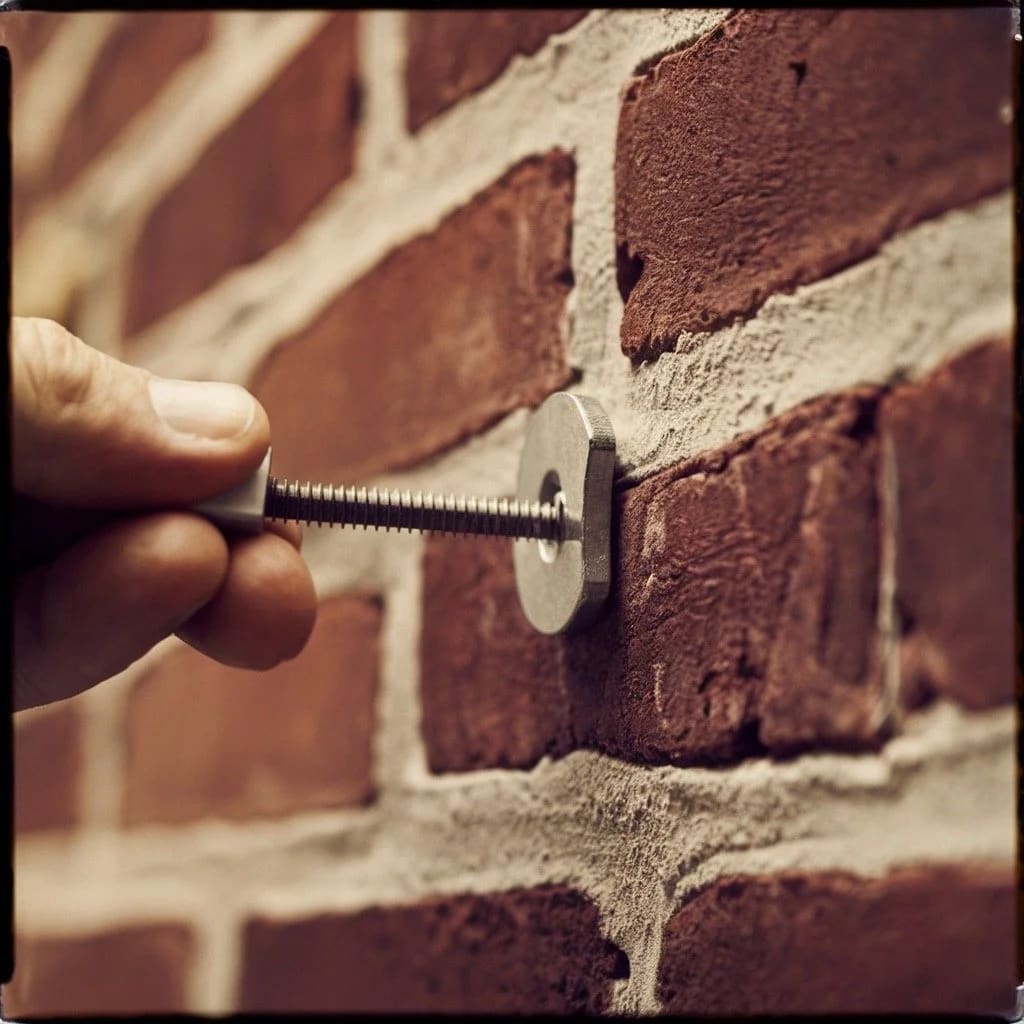
A bronze plaque can be the most durable part of a wall and still have a poor installation. Staining, loose corners, broken fasteners, cracked masonry, and trapped water usually trace back to a mismatch between the plaque, hardware, anchor, or substrate—not to bronze itself.
For a Phoenix-area site, start with the plaque manufacturer's mounting detail, plaque weight and dimensions, wall construction, concealed utilities, edge clearances, access, and documented exposure. Direct sun, thermal movement, dust, irrigation, washing, and intermittently wet masonry can affect a hardware joint. Heavy, elevated, public-facing, historic, or uncertain conditions should be reviewed by a qualified installer or design professional.
Valley Sign Guys makes sign components in the shop from customer-approved artwork, dimensions, and specifications. This article helps customers and installers coordinate mounting details; it is not a site survey, anchor design, engineering opinion, permit review, or installation service.
Why does screw selection matter for bronze plaques?
The screw is only one part of the load path. Its head must fit the plaque hole or countersink; its shank and threads must suit the anchor or backing; and the anchor must transfer the plaque load into sound material with the required embedment and edge distances. Visible color, theft resistance, stand-off spacing, drainage, and future removal may also affect the detail.
Wrong hardware can leave rust streaks, damage the patina, split wood, crack a plaque ear, spall masonry, or allow movement. Because a falling plaque can create a hazard, do not size structural attachments from a generic “small, medium, or large plaque” rule.
What are the best screw materials for bronze plaques?
Silicon bronze screws: a compatible-looking candidate
Silicon bronze fasteners can coordinate well with a bronze plaque and are used in marine and exterior work, as this overview of fastener metals explains. That makes them a useful starting point when appearance and corrosion compatibility both matter.
They are not a drop-in substitute for steel hardware. Strength, thread form, head geometry, pilot-hole requirements, and installation torque vary by fastener. Use the plaque and fastener supplier's detail rather than forcing a soft decorative screw into an anchor chosen for another material.
Stainless steel screws: strong, but grade and detailing matter
Stainless steel can provide greater strength and broad anchor compatibility, but “stainless” is not one alloy or one corrosion rating. Type 316 is commonly considered for chloride-exposed settings because of its molybdenum content, yet fastener grade, finish, fabrication, crevices, and exposure still affect performance.
A Phoenix address does not automatically make one stainless grade correct, and dry appearance does not make lower-spec hardware safe. Confirm the entire screw, nut or anchor, washer, spacer, and plaque interface for verified water, heat, and dissimilar-metal conditions. Bright stainless heads may also need a deliberate aesthetic treatment rather than an improvised coating.
Brass screws: Aesthetic compatibility with limitations
Some brass fasteners have a warm color that coordinates with bronze, but alloy and strength vary and decorative brass hardware is not structurally interchangeable with silicon bronze or stainless steel. Use it only when the supplier's load, thread, corrosion, and installation requirements fit the plaque.
Coated screws: performance depends on the system
Zinc-plated, galvanized, painted, and proprietary coated fasteners all perform differently. A thin decorative plating can be damaged during driving and may stain long before the plaque ages. Do not select coated carbon-steel hardware for permanent exterior work unless the exact fastener and environment are part of an approved attachment specification.
How do you prevent galvanic corrosion between metals?
Galvanic corrosion requires an electrical connection between different metals plus an electrolyte such as rain, condensation, irrigation water, cleaning solution, or salt residue. The material pair, relative exposed areas, joint design, and duration of wetness all affect the risk.
A basic galvanic-series overview can help identify risky pairings, but the installed assembly needs more than a chart. Practical controls include:
- Use compatible alloys: Review the plaque, fastener, anchor, spacer, and any metal backing together.
- Isolate where specified: Approved nonconductive washers, sleeves, bushings, or gaskets can interrupt contact, provided they do not compromise clamping or creep under load.
- Manage water: Detail stand-offs, holes, edges, and sealants so the assembly drains and can dry instead of trapping moisture.
- Protect the correct surfaces: A coating or sealant must be compatible and maintained; coating only the wrong side of a metal pair can worsen localized attack.
What size and length screws work best?
Size and length come from the plaque drawing and the complete attachment design. Useful inputs include:
- Plaque geometry: Weight, dimensions, casting thickness, mounting-hole diameter, countersink, bosses, and number of factory mounting points.
- Substrate: Material, thickness, condition, voids, reinforcement or framing, veneer depth, edge distance, and available embedment.
- Anchor data: Approved screw or rod, hole diameter, embedment, spacing, edge limits, installation method, and capacity for the actual base material.
- Service conditions: Stand-off depth, wind and impact exposure, tampering, seismic or other project criteria, and consequences if one attachment loosens.
Do not increase fastener length or diameter by instinct. A larger hole can reduce edge distance, strike concealed services, damage thin stone, or conflict with the plaque casting.
How do mounting constraints differ by surface?
Mounting on wood
Confirm that the visible board, sheathing, or trim is sound and thick enough—or locate suitable framing or blocking behind it. Pilot-hole diameter, depth, thread engagement, and edge distance should follow the selected fastener and wood condition. Plan for wood movement and water entry rather than burying an anchor in decayed or thin material.
Mounting on stone or granite
Natural stone, cast stone, and thin veneer can crack or spall when hole location, drilling method, edge distance, or expansion pressure is wrong. Confirm whether attachment belongs in the stone, a joint, or structure behind it. Historic, brittle, veined, or irreplaceable material deserves review by the plaque supplier and a qualified masonry or preservation professional before drilling.
Mounting on brick
“Always drill the mortar” and “always drill the brick” are both unsafe shortcuts. Brick type, mortar condition, load, edge distance, hollow cores, veneer ties, reversibility, and anchor approval determine the location. Test uncertain masonry and use an attachment detail supported by manufacturer data for that base material.
Mounting on metal
Identify the actual support behind a sheet-metal skin. Thin cladding may not be structural, and drilling can affect water barriers, finishes, concealed wiring, or a manufacturer warranty. Through-bolts, threaded inserts, tapped backing, or a separate frame may be considered only after the gauge, backing access, loads, and galvanic interfaces are known.
What should qualified installers verify?
Pre-drilling and pilot holes
Where the specified fastener or anchor requires a pilot hole, use its published diameter, depth, equipment, and cleaning method. Templates or manufacturer-provided patterns help preserve hole spacing. Verify utilities and reinforcement before drilling, and stop if the actual wall does not match the assumed construction.
Using appropriate anchors
Choose anchors tested or documented for the actual base material, load direction, spacing, edge distance, embedment, moisture, and corrosion exposure. Drywall and hollow veneer often need structural backing rather than a generic hollow-wall anchor, especially for a heavy or public-facing plaque. Follow the anchor manufacturer's installation procedure and any project engineering.
Proper torque control
Too little clamping can permit movement; too much can strip threads, crush isolation washers, distort the plaque, or crack the wall. Use the torque or installation endpoint specified for the fastener and anchor. Do not keep tightening a loose anchor in the hope that it will become secure.
How do you maintain bronze plaque mounting hardware?
Build an inspection plan around the site rather than assuming the hardware is maintenance-free:
- Look for movement: Check lifted corners, changing gaps, loose caps, cracked sealant, or plaque rattle.
- Look for corrosion clues: Rust-colored or green streaks, pitting, swollen coatings, and staining at holes deserve investigation.
- Check the wall: Cracked mortar, spalled stone, softened wood, open joints, and water entry can undermine sound hardware.
- Clean as specified: Use plaque-, patina-, and hardware-compatible products; avoid abrasives and acids unless expressly approved.
Do not automatically retighten a moving plaque. Determine whether the screw, anchor, backing, isolation component, plaque boss, or wall has failed, then repair the assembly with the appropriate expertise.
What common mistakes should you avoid?
Sizing by habit: Familiar screw sizes do not replace plaque drawings, anchor data, and verification of the wall.
Ignoring water and exposure: Irrigation, wall washing, storm water, trapped moisture, mineral deposits, and cleaning chemicals affect joints differently. Match the complete hardware system to the actual site.
Mixing metals without a joint detail: A stainless or bronze label alone does not settle galvanic compatibility, isolation, drainage, or staining.
Treating the finish surface as structure: Thin cladding, veneer, drywall, damaged mortar, and decayed wood may require backing or a different attachment location.
Prepare the details for a bronze-plaque quote
Whether the plaque marks a donor wall, memorial, building, or interpretive display, the customer and qualified installer should prepare plaque drawings and weight, front and back photos, verified wall construction, approved mounting details, installation height, access constraints, and any property or preservation requirements.
Review the guide for preparing signs for your installer. Valley Sign Guys offers wayfinding and room signs; cast-bronze plaques and plaque hardware are not listed as standard products. To request an identification-sign quote, send your artwork, dimensions, material and finish preference, quantity, and installer-supplied hole pattern. Your installer handles substrate verification, anchors, mounting design, concealed utilities, permits, code compliance, access, and installation.
FAQ
What type of screw is best for mounting a bronze plaque?
There is no universal best screw. Silicon bronze can coordinate visually with the plaque, while a specified stainless alloy may suit higher-strength or chloride-exposed applications. The plaque manufacturer or installer should confirm the head, diameter, length, alloy, anchor, and isolation details for the plaque and wall.
Can I mount a bronze plaque on any surface?
Not every surface is suitable as found. Sound wood or framing, concrete, some masonry, stone, and engineered metal backers may work with different attachment systems. Thin veneer, damaged masonry, hollow walls without backing, historic material, and unknown assemblies need closer review before drilling.
How can I reduce corrosion at bronze plaque fasteners?
Use a specified corrosion-resistant hardware system, keep water from being trapped, isolate incompatible metals where the design calls for it, and follow the plaque and anchor manufacturers’ installation instructions. Do not rely on an improvised clear coat or sealant to correct unsuitable hardware.
What is galvanic corrosion and how do I avoid it?
Galvanic corrosion can occur when dissimilar metals are electrically connected while an electrolyte such as rain, condensation, irrigation water, or salt residue is present. Reduce the risk with compatible alloys, appropriate isolation components, drainage, and a hardware detail reviewed as a complete assembly.
How often should bronze plaque hardware be inspected?
Set the interval from the plaque manufacturer, site exposure, wall condition, public contact, and consequences of movement. Irrigation-exposed, sun-loaded, high-traffic, storm-exposed, or tamper-prone locations may need more frequent checks. Investigate looseness, staining, cracked masonry, or movement instead of simply tightening every fastener.
Does Valley Sign Guys select anchors on site or install bronze plaques?
Valley Sign Guys can make identification-sign components from approved artwork, dimensions, and an installer-provided hole pattern. Your installer verifies the wall, selects the anchors, checks concealed utilities, coordinates permits and access, and installs the finished sign. We list any requested production hardware in your quote.