
LED Sign Lighting: Practical Benefits, Tradeoffs and Safety
Valley Sign Guys makes quoted non-electrical faces, returns, panels, and dimensional sign components for LED sign projects. Send approved artwork, dimensions, materials, day-and-night appearance, and component specifications from your electrical sign contractor.
Key takeaways
- Compare complete sign systems at the required light output; a percentage energy claim without load, controls, hours, and baseline is not useful.
- LEDs produce less radiant heat than some older sources but still generate junction and power-supply heat that must be managed.
- Module life, driver life, color stability, lumen maintenance, seals, wiring, and service conditions are separate—not one guaranteed lifespan.
- Brightness, uniformity, color temperature, dimming, glare, and spill should be reviewed at the actual day and night approach, not maximized by default.
- Your electrical sign contractor selects the listed or otherwise accepted system and handles power, wiring, surveys, permits, installation, inspection, troubleshooting, repair, and maintenance.
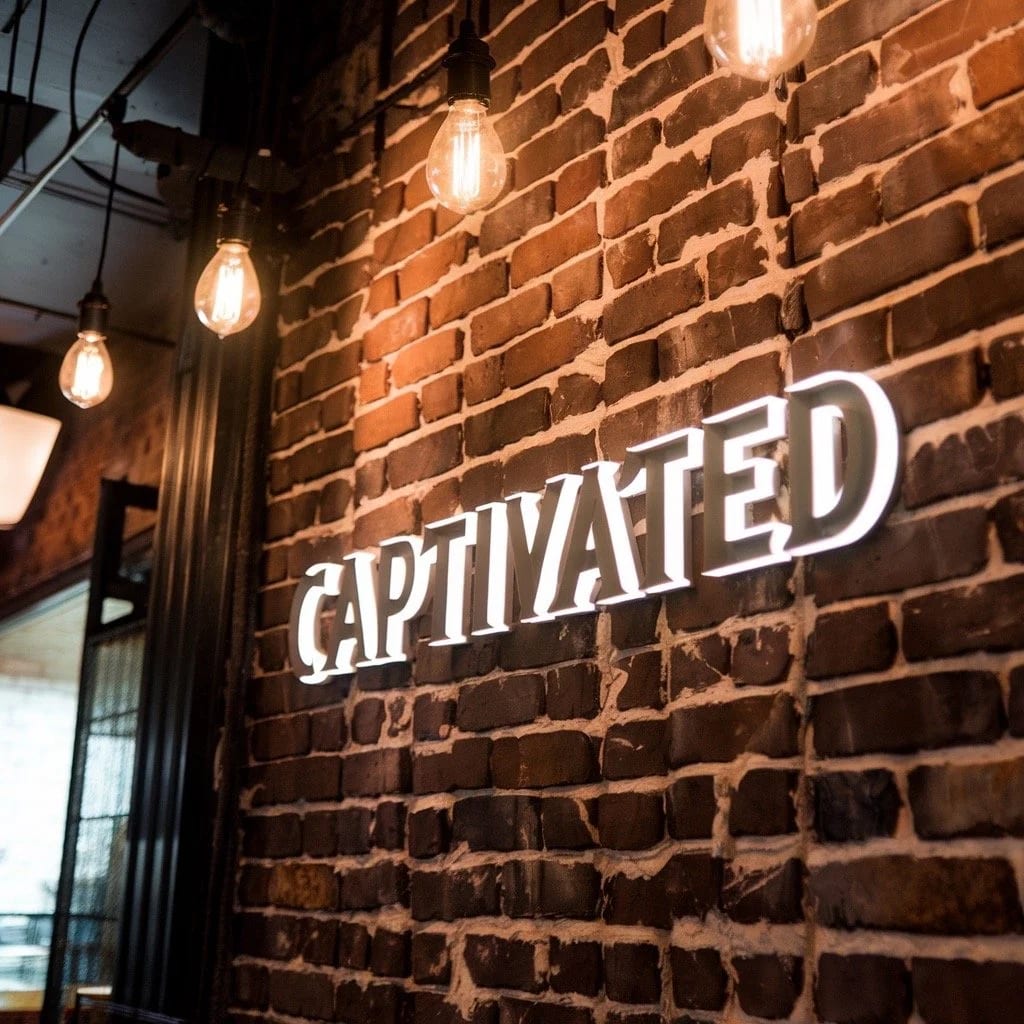
LEDs are widely used in channel letters, cabinets, halo-lit logos, edge-lit panels, and some changeable displays because small light sources can be distributed throughout a sign. That flexibility is real. So are the failure modes: visible dots, dark strokes, glare, color mismatch, overheated drivers, water entry, inaccessible parts, and retrofits that no longer match an approved construction.
Valley Sign Guys makes quoted non-electrical dimensional sign components from approved artwork, dimensions, materials, and construction specifications. Your electrical sign contractor designs the complete illuminated system and handles surveys, power, wiring, listing, permits, installation, inspection, troubleshooting, repair, and maintenance. Electric signs can present shock, fire, fall, structural, and water-intrusion hazards, so this comparison is not electrical instruction.
What makes LED lighting different from older sign sources?
A light-emitting diode produces light at a semiconductor junction. Sign modules combine one or more LEDs with optics, a circuit board, housing, conductors, and often adhesive or mechanical attachment. Drivers or power supplies convert and regulate incoming power for the modules.
That small source size lets a designer place light around letter strokes or within shallow cavities. It also makes layout, spacing, surface reflectance, face transmission, driver loading, wire routing, and heat paths part of the optical result. “LED” identifies a technology, not the quality or acceptance of the complete sign.
- Review module and driver documentation, installation instructions, conditions of use, and sign-system listing or labeling.
- Compare input power and useful light for the complete proposed systems.
- Confirm service access before faces, backs, raceways, or walls make components difficult to reach.
- Preserve labels and do not substitute modules, supplies, wiring, or attachment methods without checking the approved construction.
What are the practical advantages of LED signs?
Electrical input can be lower for comparable output
Well-selected LEDs often produce the required sign luminance with less input power than older systems, especially when controls and operating hours are coordinated. The savings are not a fixed 50–70 percent. Calculate watts, losses, controls, schedule, utility rate, and the same useful-light target for each option.
Efficiency labels and test results apply only to the product category, configuration, and test basis they actually cover. Verify whether a current program applies to the proposed sign rather than treating a component label or unrelated display standard as a generic claim about every LED assembly.
Service intervals may be longer, but components age differently
LED module ratings are often expressed as lumen maintenance under specified test conditions. A power supply can fail before modules reach that threshold; color can shift; moisture can attack connections; one area can run hotter than the test case. Convert manufacturer data into a maintenance plan rather than a promise of 50,000 or 100,000 trouble-free hours.
Longer access intervals are most valuable when the design makes future replacement practical. Document module model, color, power-supply loading, wiring diagram, access method, and approved substitutes so a later technician is not forced to reverse-engineer the sign.
Lower radiant heat does not mean no heat or no fire risk
LED faces may feel cooler than incandescent lamps, but LEDs and drivers still convert some energy to heat. Junction temperature affects output and life. Enclosure volume, module spacing, mounting surface, driver location, ambient temperature, solar gain, insulation, and ventilation or thermal paths must follow the evaluated system and component instructions.
Do not describe LEDs as eliminating ignition or touch hazards. Wiring faults, overloaded supplies, damaged insulation, incompatible materials, poor connections, and inaccessible disconnects remain safety concerns.
Small sources support varied sign forms
LED systems can support face-lit letters, halo illumination, slim cabinets, edge lighting, and controlled accent details. Color temperature, optics, spacing, diffuser depth, face opacity, return finish, and wall reflectance determine whether the effect looks even.
RGB or digitally controlled lighting adds controllers, programming, content, accessibility, maintenance, and sometimes regulatory questions. Confirm that changing color or animation is allowed and appropriate; capability does not establish permission.
What are the disadvantages and common failure points?
Initial price can leave important costs out
A low total-project budget may omit the customer’s field survey, listed construction, proper drivers, disconnect coordination, access equipment, engineering, permits, wall repair, weather detailing, controls, dimming, commissioning, or closeout documentation. A higher number may still be poor if it simply adds modules without solving uniformity and service.
Compare a written bill of materials and responsibility matrix, not generic “LED versus fluorescent” prices or a promised payback period.
Color and brightness require physical review
White LEDs vary in correlated color temperature, tint, spectral content, binning, and color shift. Colored faces change when lit. A brand color approved in daylight may wash out or shift at night. Review a representative illuminated sample or mockup when color consequence is high.
Brightness should meet the communication task without creating glare or overpowering nearby uses. Dimming and scheduling may help, but controls must be compatible with the drivers and approved system.
Glare and spill can make a bright sign less readable
Visible points, hot spots, exposed returns, shiny faces, light leaking at penetrations, and a bright halo on a textured wall can reduce letter definition. Mixed-use, hospitality, residential-adjacent, and dark-sky contexts may require more restraint than a bright retail corridor.
Evaluate the sign from the likely pedestrian and vehicle approaches, including off-axis views. Warm or cool light is not inherently compliant or comfortable; spectrum, output, shielding, duration, and context work together.
Component and installation quality varies
Ingress rating, warranty language, or a recognized component mark does not automatically approve an assembled sign. Module spacing, supply loading, conductor protection, grounding and bonding, separation, strain relief, connectors, penetrations, drainage, attachment, and labels all matter.
Direct and reflected sun can raise enclosure temperatures, while dust, irrigation, and storm water can challenge hardware, connections, seals, and drainage. The actual orientation, shade, enclosure color, material compatibility, cleaning, and service access should drive the specification.
When is LED lighting a good sign choice?
LEDs are often appropriate when a permanent sign needs controlled illumination, the letter or cabinet depth supports an even layout, trained electrical service is available, nighttime use is allowed, and components can be serviced. A non-illuminated sign may be the better fit when the sign operates rarely, lacks safe service access, cannot receive approval, or communicates effectively without lighting.
- Extended operating hours: calculate energy and controls from the real schedule.
- Difficult access: prioritize component quality and a safe service path rather than relying on a lifespan claim.
- Shallow construction: mock up module spacing and face diffusion to avoid visible points.
- Day-and-night identity: approve both unlit material appearance and illuminated color.
What should be checked before an LED retrofit?
A retrofit is more than a lamp swap. Before preserving an old cabinet, letters, or raceway, your electrical sign contractor documents structural condition, attachment, corrosion, water entry, faces, seals, access panels, labels, existing circuit information, disconnect, grounding and bonding, clearances, and service access.
Your sign contractor and electrician determine the approved retrofit kit, field evaluation, relabeling, or other acceptance path; component substitutions and wiring changes can affect the original listing. De-energization, testing, lockout or other energy control, disposal of old lamps or ballasts, and final connection require trained electrical professionals and are not DIY steps.
Before ordering, review the information to send from your installer. Provide verified dimensions, approved artwork, face and return materials, finish, quantity, and any component interfaces specified by your electrical sign contractor.
How should an LED sign decision be made?
Send the sign type, dimensions, face and return materials, target day-and-night appearance, module and driver information, input power, controls, service method, listing or evaluation path, environmental rating, mounting concept, installer and electrician responsibilities, and maintenance documentation. For an existing sign, add clear photographs and every readable label without opening energized equipment.
Need non-electrical dimensional sign components for a Phoenix-area project? Ask us for a quote and send approved artwork, final dimensions, face and return materials, finish, quantity, and component drawings supplied by your sign and electrical professionals. We make, label, and package the non-electrical components listed in your quote. Your sign contractor, engineer, electrician, and installer handle the complete illuminated system, field verification, mounting, structure, power, permits, code, access, installation, inspection, commissioning, and service.
FAQ
How long does LED sign lighting last?
There is no universal hour or year figure for a complete sign. Module lumen-maintenance data, operating temperature, current, driver life, duty cycle, moisture, voltage quality, color shift, service conditions, and the chosen end-of-life threshold all matter. Review the actual component and system documentation.
Do LEDs always use less energy than other sign lighting?
They often can for comparable useful light, but savings must be calculated from the complete systems: measured or specified input power, light output, controls, operating hours, losses, and maintenance. Do not compare unlike sign sizes or brightness levels.
Does an outdoor IP rating make an LED sign suitable for every location?
No. Component ingress ratings do not by themselves approve the complete sign. Enclosure design, drainage, wiring entries, UV, corrosion, temperature, salt, cleaning, mounting, listing conditions, instructions, and local acceptance still apply.
Can an older illuminated sign be converted to LED?
Sometimes. Before reuse, your electrical sign contractor surveys the cabinet or letters, faces, labels, wiring, branch circuit, grounding and bonding, disconnect, corrosion, water entry, attachment, access, and the retrofit’s listing or evaluation path.
Who should install or service an LED sign?
Use licensed or otherwise appropriately trained sign, electrical, structural, access, and installation professionals for the work that applies. Valley Sign Guys makes the non-electrical components named in your quote. Keep untrained people from opening, modifying, troubleshooting, or energizing an electric sign.